




In our relentless, high-speed society, the feeling of being "always on" has become a pervasive new normal for many. We juggle strict deadlines, family obligations, and a constant, unending stream of digital information, often at the significant expense of our own physical and mental well-being. This chronic state of physiological hyper-arousal can lead to profound burnout, adrenal fatigue, and a host of physical ailments ranging from digestive issues to cardiovascular strain. Consequently, prioritizing Stress Relief and Nervous System Recovery is no longer a luxury reserved for occasional spa days; it is a fundamental biological necessity for maintaining long-term health, cognitive function, and emotional resilience. By understanding how to effectively downregulate our body's internal alarm systems, we can reclaim a sense of calm, purpose, and control over our daily lives.
>>> Buy Instantly <<<
The human body is evolutionarily designed to handle short, intense bursts of stress—like running from a predator—followed by long periods of rest. However, it is not built for the low-grade, constant pressure of modern life where the "predators" are emails, traffic, and news cycles. When we exist in a perpetual state of "fight or flight," our cortisol and adrenaline levels remain dangerously elevated, disrupting sleep cycles, digestion, and immune function. The journey toward effective Stress Relief and Nervous System Recovery involves consciously and repeatedly shifting the body from the sympathetic nervous system (the gas pedal) to the parasympathetic nervous system (the brake). This shift is the only state in which the body can repair tissues, digest food properly, and restore mental clarity.
Embracing a comprehensive lifestyle centered on Stress Relief and Nervous System Recovery does not require you to quit your job, move to a monastery, or overhaul your entire existence overnight. Instead, it involves integrating small, potent, and scientifically-backed habits into your daily routine that signal safety to your brain's threat detection center, the amygdala. Whether through specific breathwork patterns, targeted nutritional adjustments, or strategic environmental changes, these interventions act as biological cues. They tell your nervous system that the danger has passed and it is safe to relax. This proactive, daily approach is the key to preventing the cumulative, destructive damage of allostatic load.
Stress Relief and Nervous System Recovery Begins With Understanding Your Biology
To effectively manage stress, one must first understand the physiology of the vagus nerve. This wandering nerve is the information superhighway connecting the brain to the body, touching almost every major organ, and playing a central role in the relaxation response. Many effective techniques for Stress Relief and Nervous System Recovery target the vagus nerve directly to stimulate a "rest and digest" state. Stimulating this nerve improves "vagal tone," which is associated with better emotional regulation, lower inflammation, and faster recovery from stressful events. Simple, accessible acts like humming, gargling water, or cold water exposure on the face can activate this pathway physically.
Bio-individuality also plays a massive role in how we process tension. What relaxes one person, such as a high-intensity workout, might overstimulate another, leading to a crash. Therefore, the path to Stress Relief and Nervous System Recovery is highly personal and requires self-experimentation. Some may find solace in intense physical exertion to burn off excess adrenaline, while others may require absolute stillness, silence, and warmth to recharge their batteries. Recognizing your unique triggers and "glimmers"—micro-moments of safety and connection—is the first step in building a personalized toolkit for resilience that actually works for your biology.
Furthermore, we must acknowledge the impact of "allostatic load," which is the cumulative wear and tear on the body that accumulates when exposed to repeated or chronic stress. When we ignore the biological imperative for Stress Relief and Nervous System Recovery, this load increases until the system inevitably breaks down. Symptoms like brain fog, irritability, digestive distress, and muscle tension are warning lights on the dashboard. Heeding these signals early allows for quicker, less drastic intervention and prevents the slide into chronic exhaustion or complex adrenal dysregulation.
Stress Relief and Nervous System Recovery Techniques Using Breathwork And Meditation
The breath is the only part of the autonomic nervous system that we can consciously control, serving as a bridge between the mind and the body. This makes it the most accessible and immediate tool for Stress Relief and Nervous System Recovery available to us. Deep, diaphragmatic breathing sends a direct, mechanical message to the brain to lower the heart rate and reduce blood pressure. Specific techniques like the "physiological sigh"—two quick inhales through the nose followed by a long, extended exhale through the mouth—are scientifically proven to offload carbon dioxide and rapidly calm the nervous system in real-time.
Meditation, often viewed through a spiritual lens, is also a rigorous biological intervention with measurable outcomes. Regular meditation literally reshapes the physical structure of the brain, shrinking the amygdala (the fear center) and thickening the prefrontal cortex (the decision-making and emotional regulation center). Incorporating just ten to fifteen minutes of mindfulness into your morning routine can set a tone of stability for the entire day. This practice makes Stress Relief and Nervous System Recovery a foundational part of your existence rather than an afterthought, creating a neurological buffer against the stressors you will inevitably face.
For those who struggle with sitting still, active forms of mindfulness like walking meditation or "forest bathing" (Shinrin-yoku) offer a dynamic alternative. Being in nature has been shown to lower cortisol levels almost immediately upon immersion. The visual fractals of leaves, trees, and clouds are naturally soothing to the human eye, reducing cognitive fatigue. Combining gentle movement with nature immersion amplifies the benefits of your chosen method, grounding you in the physical world and pulling you out of the ruminating mind.
Stress Relief and Nervous System Recovery Benefits Of Somatic Movement Exercises
Trauma and stress are not just mental concepts; they are stored physically in the body's fascia and musculature. Somatic exercises focus on the internal experience of movement (interoception) rather than the external appearance. Stress Relief and Nervous System Recovery through somatics involves gentle shaking, rocking, or pandiculation (contracting and releasing muscles) to release stored kinetic energy and tension. Animals naturally shake off adrenaline after a threat to return to homeostasis; humans, however, conditioned by social norms, tend to freeze and hold it in.
By practicing somatic release, you allow the body to complete the "stress cycle." This is crucial because often, even after a stressful event is over intellectually, the body remains stuck in the reaction physically. Prioritizing Stress Relief and Nervous System Recovery via somatic work helps to "reset" the resting muscle tone and improve proprioception. It is a gentle, compassionate way to befriend your body and release the armor of tension that many of us wear daily without realizing it.
Stress Relief and Nervous System Recovery Strategies Involving Diet And Nutrition
What we eat directly influences our neurochemistry and ability to handle pressure. The gut produces approximately 95% of the body's serotonin, the "happy hormone" responsible for mood stabilization. Therefore, a diet high in processed sugar, caffeine, and inflammatory fats can contribute significantly to anxiety and neuro-inflammation. A nutritional approach to Stress Relief and Nervous System Recovery focuses on whole, nutrient-dense foods rich in magnesium, B vitamins, and omega-3 fatty acids. Magnesium, often called "nature's chill pill," is rapidly depleted during stress and is essential for muscle relaxation and GABA production.
Blood sugar regulation is another critical, often overlooked factor. The "hangry" phenomenon is a physiological stress response where the body perceives starvation. When blood glucose drops too low, the body releases cortisol and adrenaline to liberate stored glucose for energy. Eating balanced meals with adequate protein and healthy fats prevents these spikes and crashes. Maintaining stable blood sugar is a non-negotiable pillar of Stress Relief and Nervous System Recovery, ensuring that your internal chemistry remains steady and calm regardless of external chaos.
Hydration also plays a pivotal role in cognitive function and mood. Even mild dehydration can increase cortisol levels and perceived task difficulty. Water is necessary for the optimal function of every cell, including neurons. Sipping water throughout the day, perhaps enhanced with mineral electrolytes, supports the electrical signaling of the nervous system. Integrating consistent hydration protocols is a simple yet profound way to support Stress Relief and Nervous System Recovery without the need for expensive supplements or equipment.
Stress Relief and Nervous System Recovery Improvements Through Better Sleep Hygiene
Sleep is the ultimate recovery tool; there is no substitute for it. It is during deep, restorative sleep that the brain's glymphatic system activates, washing away metabolic waste, toxins, and beta-amyloid plaques. Without adequate sleep, the nervous system remains in a state of hyper-vigilance and fragility. Optimizing Stress Relief and Nervous System Recovery requires a fierce protection of your sleep window. This means establishing a wind-down routine that signals to the body that the day is done and safety has been established.
Limiting blue light exposure in the evening is essential for melatonin production. Blue light from screens suppresses melatonin, the hormone needed for sleep onset and staying asleep. Utilizing blue-light blocking glasses or dimming the household lights two hours before bed can help realign the circadian rhythm with the natural day-night cycle. When you align your lifestyle with the sun, Stress Relief and Nervous System Recovery happens more naturally. The body wants to rest; we often just get in the way with screens, late meals, and artificial lighting.
Temperature regulation is another hack for better sleep quality. The body needs to drop its core temperature to enter deep sleep stages. Keeping the bedroom cool (around 65-68°F) or taking a warm bath before bed (which triggers a cooling effect afterwards as blood vessels dilate) can facilitate this drop. Prioritizing these sleep hygiene basics ensures that your daytime efforts toward stress management are supported by a solid foundation of nightly restoration.
Stress Relief and Nervous System Recovery Tools Including Hyperbaric Oxygen Therapy
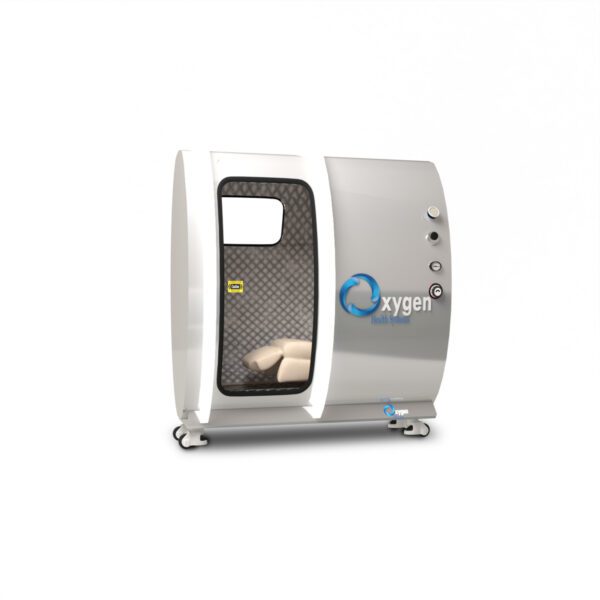
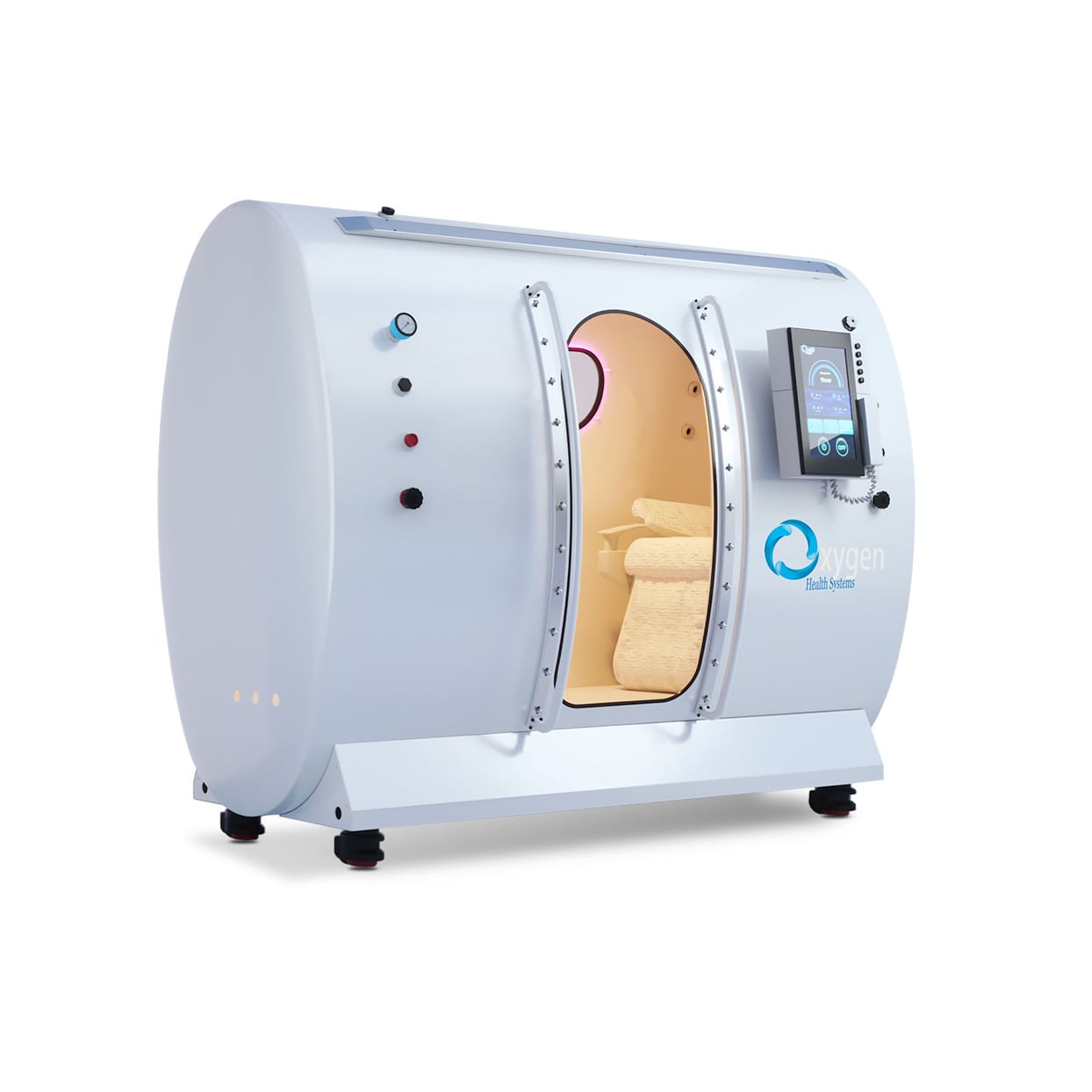
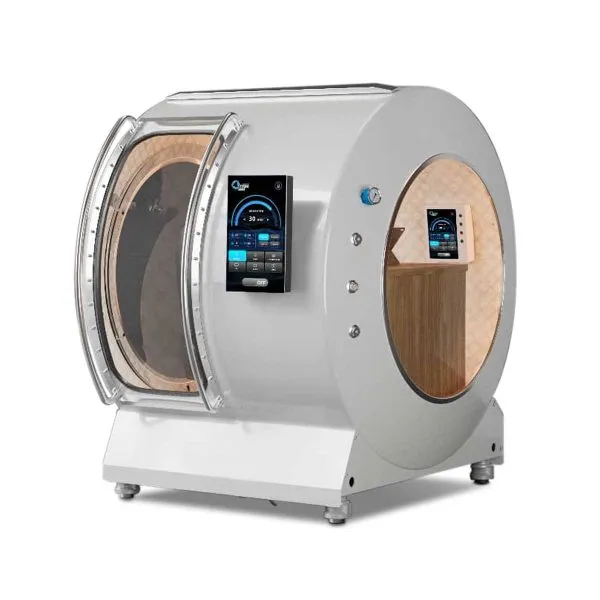
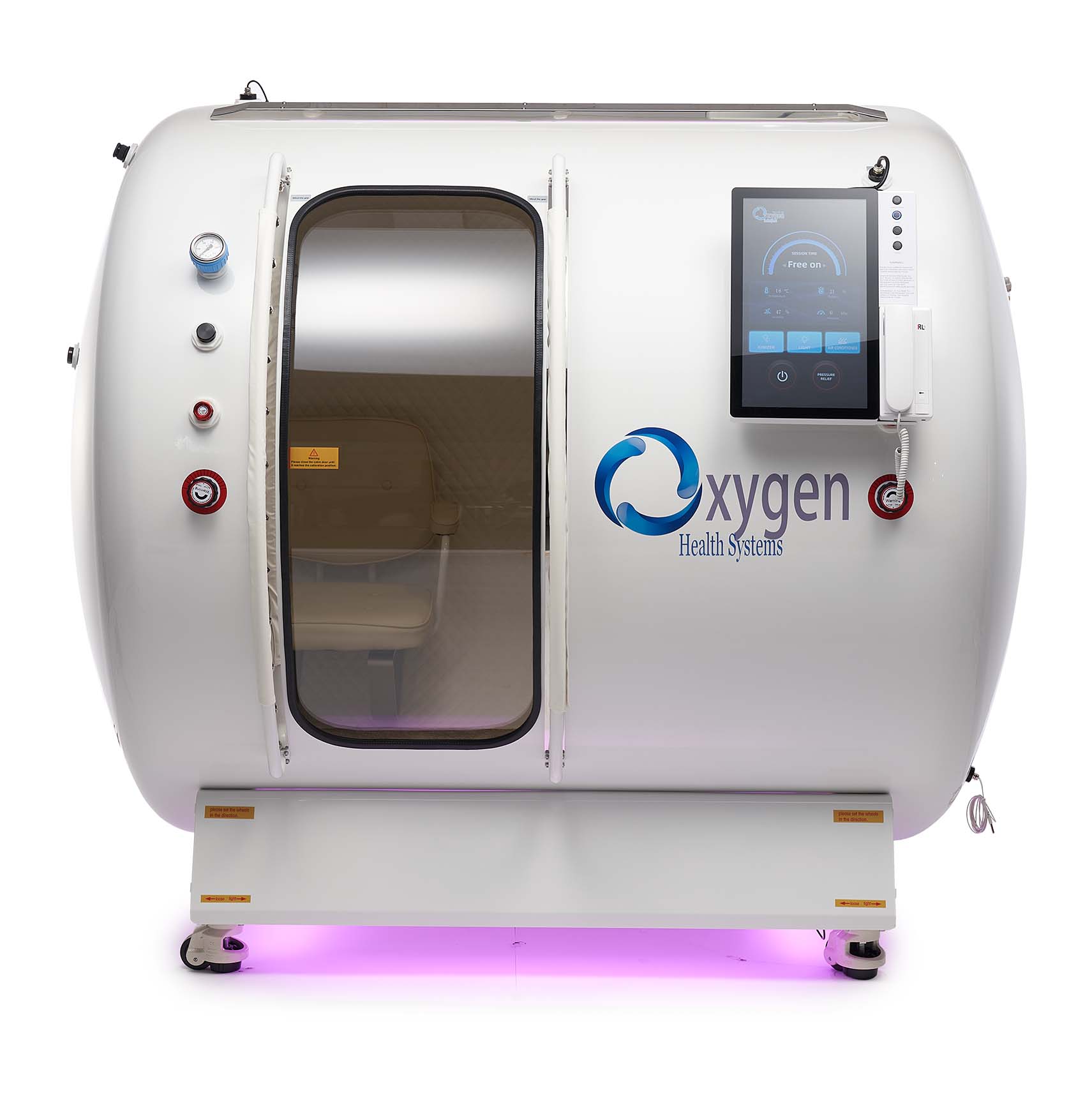
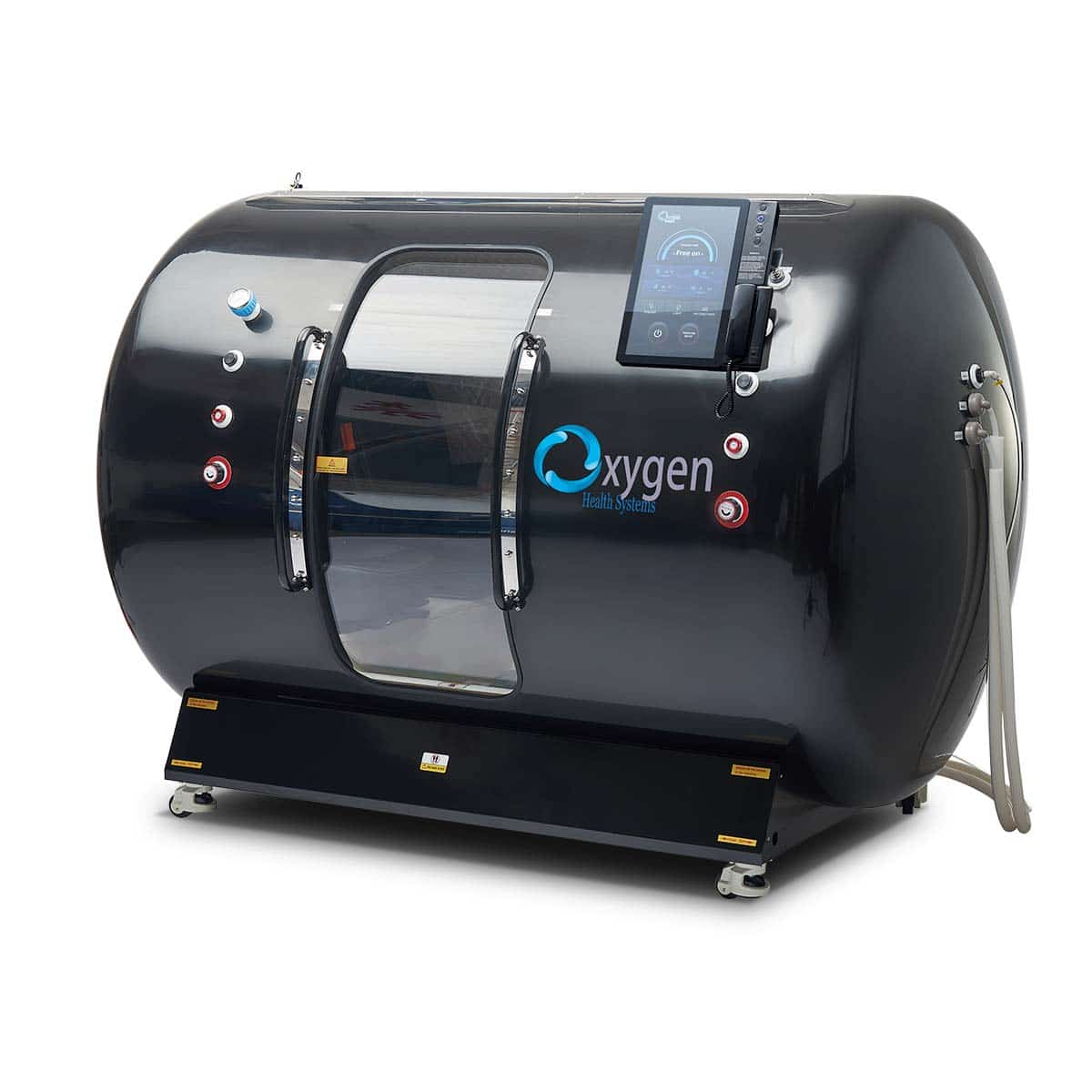
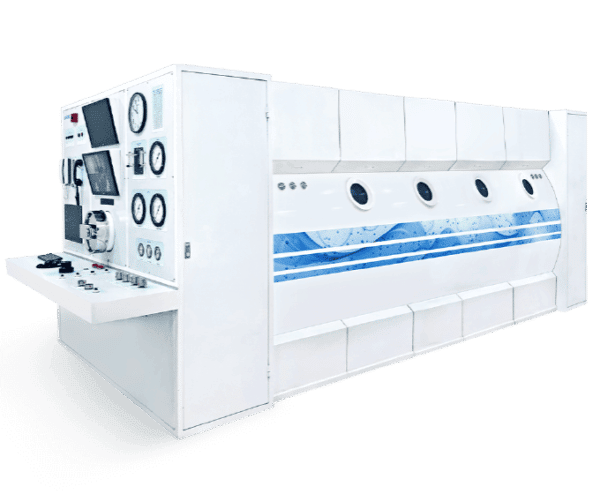
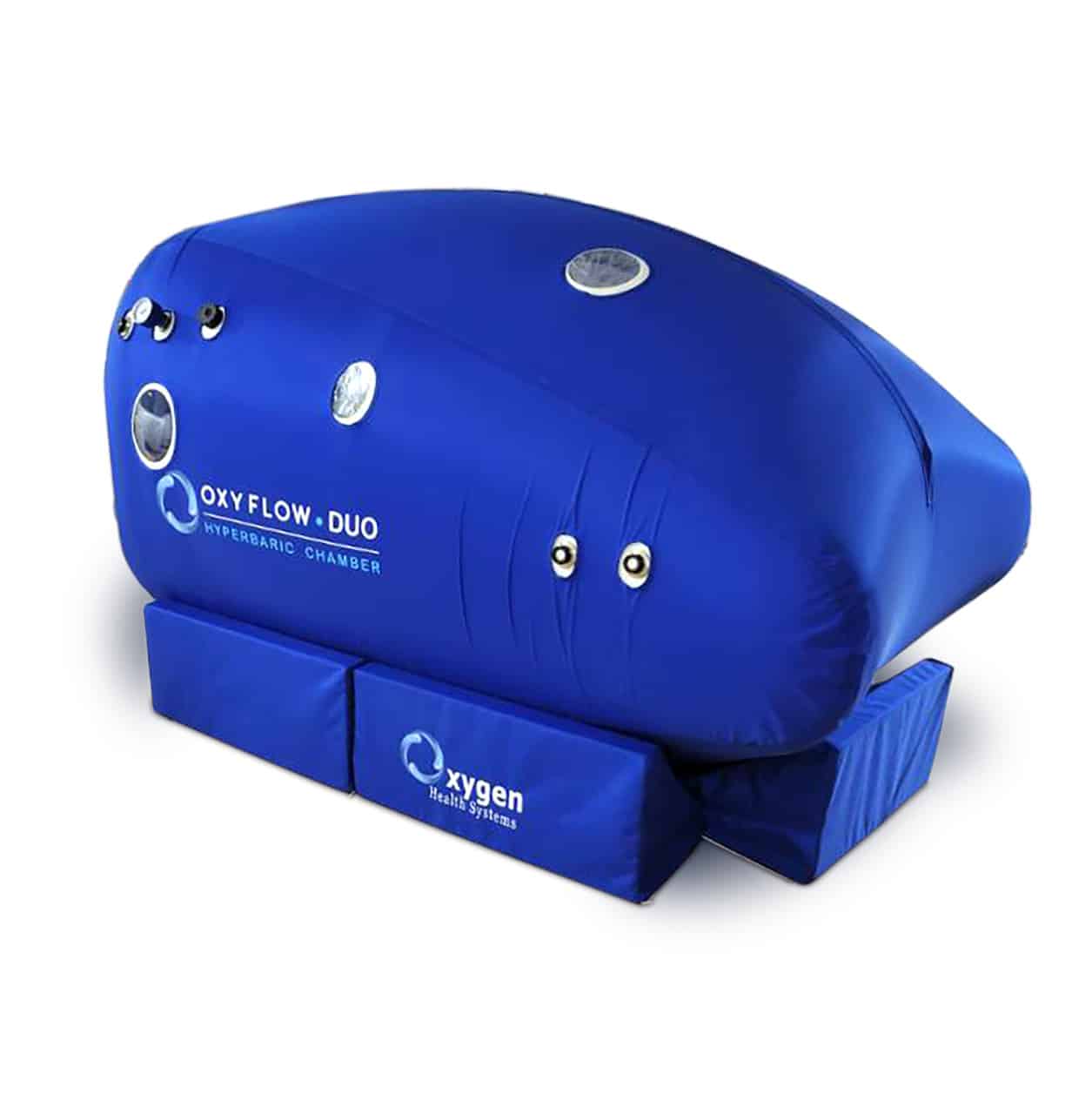
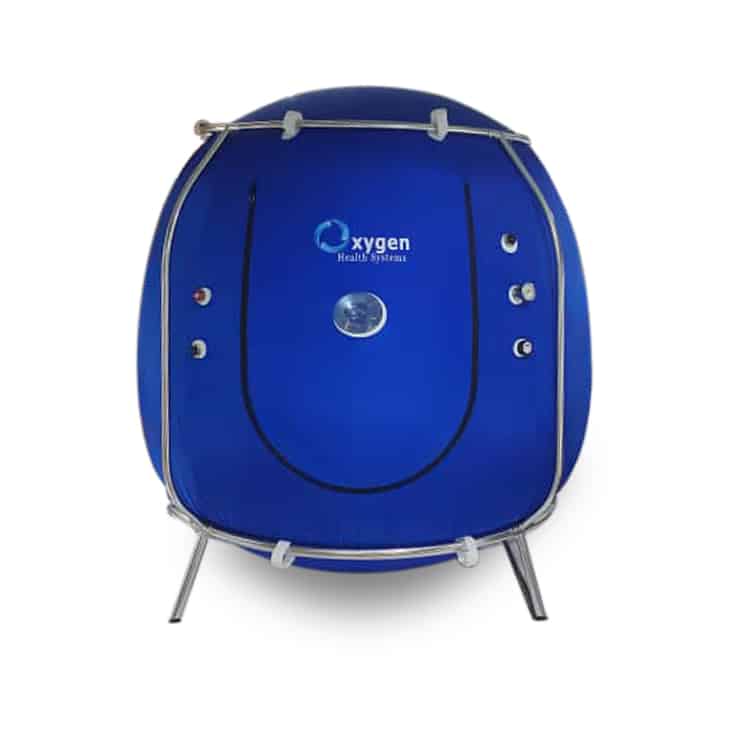
For those seeking to accelerate their progress or dealing with deep burnout, advanced technologies can offer significant support. Hyperbaric Oxygen Therapy (HBOT) involves breathing pure oxygen in a pressurized environment. This process floods the body with oxygen, reducing systemic inflammation and supporting mitochondrial function in the brain. In the context of Stress Relief and Nervous System Recovery, HBOT has shown promise in calming the brain's inflammatory response and improving neuroplasticity.
The pressurized environment of a hyperbaric chamber can induce a deep state of relaxation, often compared to deep meditation. The massive influx of oxygen helps repair tissues damaged by chronic stress hormones and supports the healing of the brain itself. Many users report improved sleep quality and a greater sense of calm after a series of sessions. While more of an investment than breathwork, including HBOT as part of a comprehensive plan for Stress Relief and Nervous System Recovery can be a game-changer for those dealing with high-performance demands or recovery from chronic fatigue.
Stress Relief and Nervous System Recovery Importance Of Social Connection
Humans are obligate social animals; we are hardwired for connection. Isolation is perceived by the ancient parts of our nervous system as a survival threat. Co-regulation, the process of calming down through connection with another safe nervous system, is a powerful biological mechanism. Stress Relief and Nervous System Recovery is often achieved most effectively in the presence of trusted friends, family, or community members. A long hug, a shared laugh, or simply sitting in companionable silence releases oxytocin, which directly counteracts cortisol.
In our digital age, genuine connection is often replaced by superficial scrolling and liking. To truly support Stress Relief and Nervous System Recovery, we must prioritize face-to-face interactions where we can see facial expressions and hear vocal tone. Building a "village" of support provides a psychological safety net that allows the nervous system to relax its guard. Knowing you are not alone in your struggles is a profound sedative for anxiety and vigilance.
Volunteering or helping others can also shift the focus away from internal stressors. The "helper's high" is a real physiological phenomenon characterized by endorphin release. Engaging in acts of service connects us to a larger purpose, putting our own stressors into perspective. This shift in focus is a sophisticated psychological tool used effectively in Stress Relief and Nervous System Recovery therapies, transforming stress into connection and meaning.
Stress Relief and Nervous System Recovery Through Digital Detoxification
The constant ping of notifications keeps the brain on high alert, anticipating the next dopamine hit or crisis. This state of "continuous partial attention" is exhausting and fragments our focus. A crucial strategy for modern Stress Relief and Nervous System Recovery is implementing regular digital detoxes. This could be as simple as turning off phones during dinner, leaving the phone out of the bedroom, or committing to a screen-free weekend. Creating firm boundaries with technology allows the nervous system to decompress and exit the reactive loop.
Social media often triggers comparison and "fear of missing out" (FOMO), both of which drive anxiety and feelings of inadequacy. Curating your digital environment to include only uplifting or educational content can mitigate this, but elimination is often better. The best approach for Stress Relief and Nervous System Recovery is often simply unplugging entirely. Reconnecting with the analog world—reading a physical book, crafting, gardening, or cooking—engages the brain in a slower, more rhythmic way that is deeply soothing and restorative.
Ultimately, recovering from stress is about reclaiming your attention and your time. It is about creating a life that does not require constant escaping into a screen. By rigorously applying the principles of Stress Relief and Nervous System Recovery to your relationship with technology, you free up mental bandwidth for creativity, rest, and joy.
Stress Relief and Nervous System Recovery Habits For Long Term Resilience
Building a resilient nervous system is a marathon, not a sprint. It requires consistency, patience, and self-compassion. Small, daily actions compound over time to create a massive shift in how you experience the world. Integrating Stress Relief and Nervous System Recovery into your identity ("I am someone who prioritizes rest") helps these habits stick when life gets busy. It is not self-indulgent; it is self-preservation essential for caring for others.
Periodically auditing your life to remove unnecessary stressors is also vital. This might mean setting firmer boundaries at work, saying "no" to social obligations that drain you, or outsourcing tasks that cause frustration. Protecting your energy is a proactive form of Stress Relief and Nervous System Recovery. When you stop the leak of energy, you have more resources available to handle the inevitable challenges of life with grace.
Finally, remember that setbacks are part of the process. There will be days when stress wins, and that is okay. The goal of Stress Relief and Nervous System Recovery is not to eliminate stress entirely—that is impossible and undesirable—but to reduce the recovery time. By training your system to bounce back faster, you build true resilience. This adaptability is the hallmark of health.
In conclusion, the path to a calmer, more vibrant life is paved with intentional, daily choices. Whether you are breathing deeply, eating nutrient-dense foods, connecting with a friend, or stepping into a hyperbaric chamber, every positive action counts. By making Stress Relief and Nervous System Recovery a central pillar of your lifestyle, you are investing in a future where you can thrive, not just survive. The power to change your physiological state lies within you; it is simply a matter of using the tools available to unlock it.



0 Comments